Memorial Services vs Funeral Services: Understanding Your Options in Georgia

When someone you love passes away, you're facing decisions at a time when your heart is heavy and your mind is clouded by grief. One of the first questions families ask us is: "What's the difference between a memorial service and a funeral?" And honestly, it's a question that deserves a clear, straightforward answer—because choosing the right option is deeply personal and should reflect what feels right for your family.
At In Their Honor Funeral and Cremation Providers, we've guided countless Georgia families through this decision. Some choose a traditional funeral service. Others prefer a memorial service. Many plan celebrations of life that blend both. There's no wrong choice here—only the choice that honors your loved one in a way that feels meaningful to you.
Let's walk through the differences so you can understand your options clearly.
What's the Main Difference?
Here's the simplest way to think about it: The presence of the body.
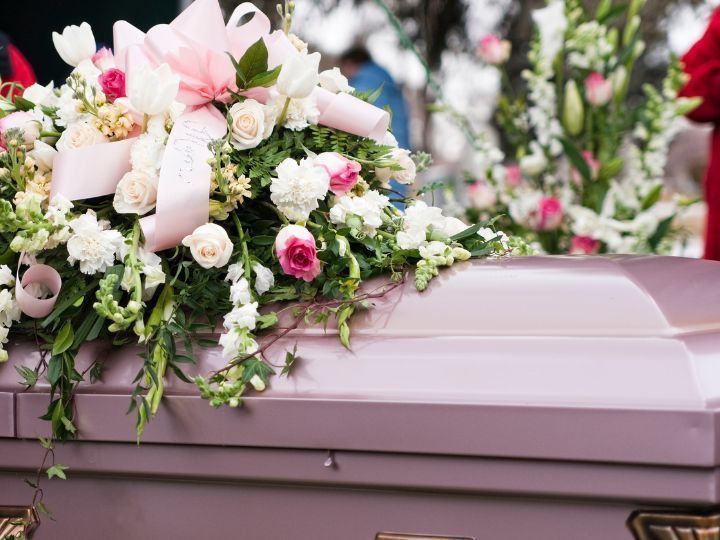
In a traditional funeral service, the body is present—usually displayed in a casket during a viewing, visitation, or the service itself. In a memorial service, the body is not present. That's it. That's the fundamental difference.
But beyond that one distinction, the differences between these services have real implications for your family's timeline, costs, and what the experience feels like. Understanding those implications helps you make the choice that's right for you.
Traditional Funeral Services: The Classic Approach
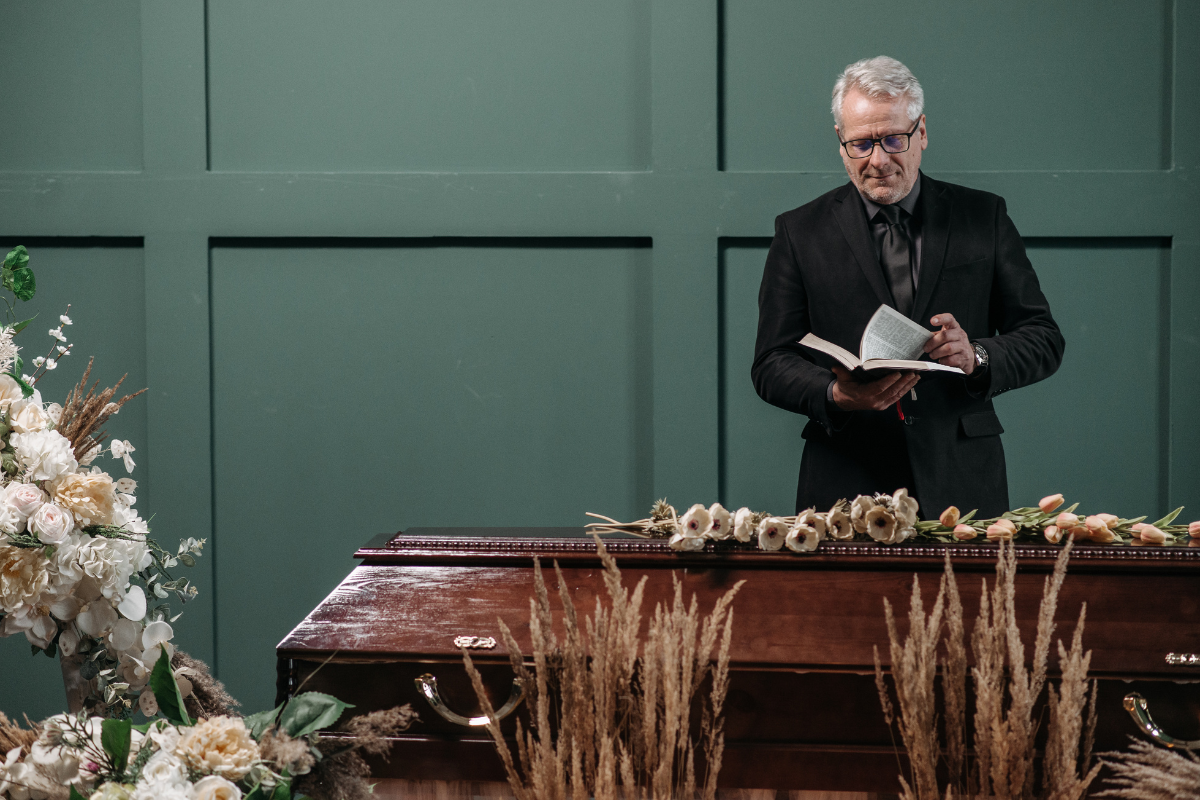
A traditional funeral service is what many of us picture when we think of a funeral. The body is prepared, dressed, and placed in a casket. Family and friends gather to pay respects, share memories, and begin the grieving process together.
What Happens in a Traditional Funeral
Visitation or Viewing
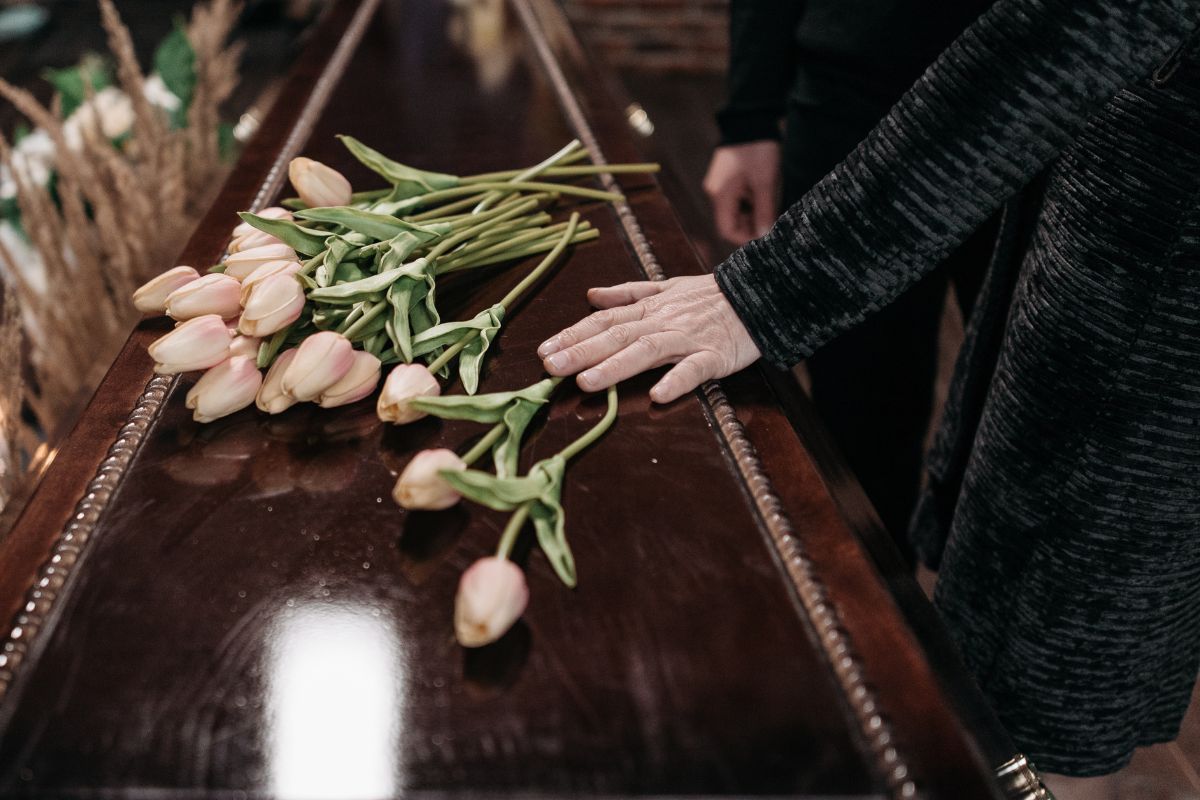
This is often held the day before the service, or sometimes a few hours before. Friends and family come to see the deceased, offer condolences to the family, and spend time in quiet reflection. The casket is typically open, though you can choose a closed casket if you prefer.
This time serves an important purpose. It gives people a chance to say goodbye, to see that their loved one is at peace, and to be together with others who cared about them. For many families, this is essential to the grieving process.
The Funeral Service
The service itself usually lasts 30-60 minutes. It might include religious elements (if that's your faith), readings, music, eulogies, or personal tributes. Many services include time for family and friends to stand up and share memories or stories.
At In Their Honor, we help you personalize every detail. Whether you want a traditional religious service, a more contemporary celebration of life, or something uniquely your own, we work with you to create something that feels right.
Graveside Service or Committal
After the service, the body is taken to the cemetery for burial. Family typically gathers at the grave for a brief committal service. This moment—lowering the casket into the ground or placing the urn in a crypt—is profoundly meaningful for many families. It's a final goodbye.
If your loved one is a veteran, this is where military honors take place: the playing of Taps, the flag-folding ceremony, the rifle volley or recorded taps. It's a moment of tremendous honor and respect.
Timeline for a Traditional Funeral
Traditional funerals typically happen within 3-7 days after death. This relatively quick timeline can be helpful for families—it gives structure to those first devastating days. However, it also means decisions need to be made quickly.
If out-of-town family needs time to arrange travel, or if you're waiting for a family member to arrive, a traditional funeral timeline can feel tight. This is one reason some families choose memorial services instead—they allow more flexibility.
Costs of Traditional Funeral Services
Traditional funeral services include several components, each with associated costs:
- Funeral home charges: Professional services of funeral director and staff
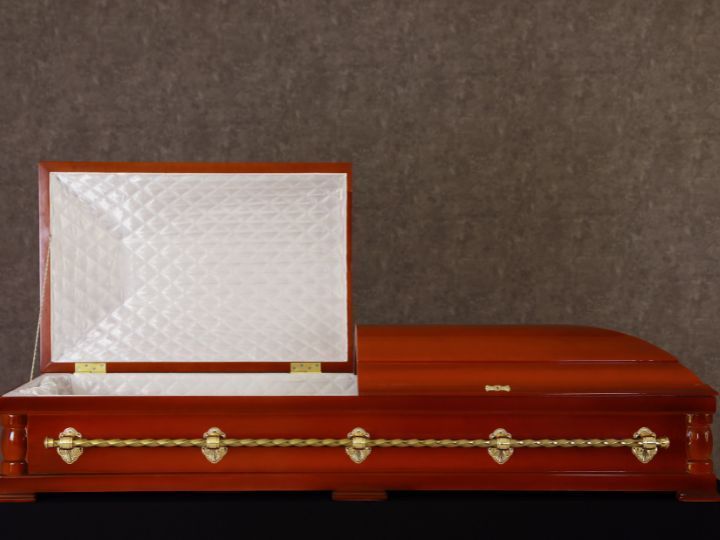
- Casket: Ranges from $1,000 to $15,000+ depending on material and style
- Embalming and preparation: Making the body presentable for viewing
- Viewing/visitation venue: Use of funeral home space and staff supervision
- Hearse and transportation: Getting the body to the cemetery
- Grave opening and closing: Cemetery fees for the burial
- Burial vault: Most cemeteries require a vault
- Headstone or marker: The permanent grave marker
For a full traditional funeral in Georgia, families typically spend $7,000-$12,000 or more. At In Their Honor, we provide a complete General Price List on our website so you know exactly what things cost—no surprises.
When Traditional Funerals Make Sense
- Your family has strong cultural or religious traditions around viewing the body
- You want that moment of seeing your loved one at peace
- You want the structure of clear timeline and ritual
- Your loved one expressed a preference for a traditional service
- You need something that most family members will expect
Memorial Services: Flexibility and Options
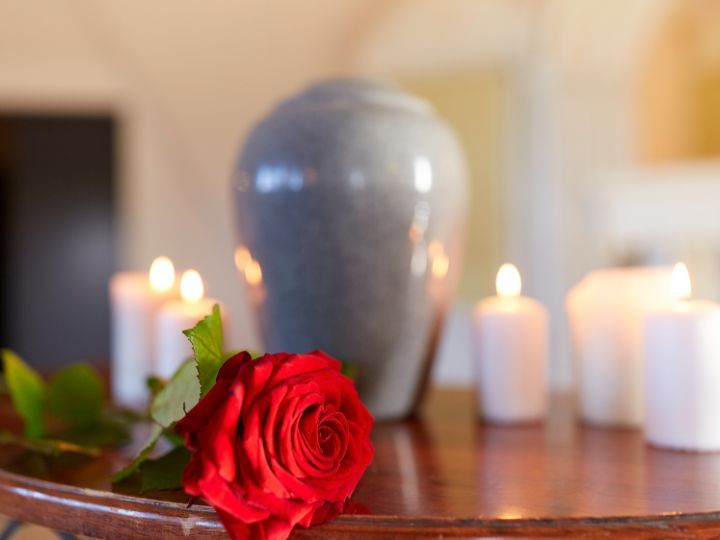
A memorial service is a celebration of life held without the body present. The deceased has typically already been buried or cremated before the service takes place. This opens up possibilities that traditional funerals don't offer.
What Happens in a Memorial Service
When It's Held
This is one of the biggest advantages of a memorial service: timing is flexible. You can hold it days, weeks, or even months after the death.
This gives you time to:
- Allow out-of-town family members to arrange travel without rush
- Plan a more elaborate or personalized celebration
- Gather photos, videos, and stories from across the person's life
- Feel less hurried in your grief
- Coordinate with work schedules if that matters to your family
Some families hold the memorial service on a weekend when more people can attend. Some wait until warmer weather if their loved one had a favorite season. Some wait several weeks and make it a larger, more planned event. You have control over the timing.
The Service Itself
Without a body present, you're free to be more creative. Memorial services can look like:
- A formal service with traditional eulogies and music
- A casual gathering with a potluck and shared stories
- A outdoor celebration in a place your loved one loved
- A coffee hour with a slideshow of photos and video
- A themed event reflecting your loved one's personality or interests
- A combination of some or all of the above
Many memorial services include a "memory table" where people can share photos, written memories, or favorite items that belonged to the deceased. Some families create video tributes or photo montages. Some have a memory board where guests write down their favorite memories.
At In Their Honor, we've helped families create everything from intimate gatherings to elaborate celebrations of life. We have space for your service, or we can help you plan something at another location that's meaningful to your family.
Flexibility in Attendance
Because there's no time pressure and no body present to view,
memorial services often feel more relaxed. People gather to remember and celebrate, rather than to pay respects to a body. This can create a different emotional tone—often warmer, more celebratory, less somber.
Timeline for a Memorial Service
Memorial services can happen anytime after the death. Many families choose to hold them 2-4 weeks out, giving time for planning and for out-of-town family to arrange travel. Others wait longer.
This flexibility is especially helpful if:
- You need time to plan something truly reflective of your loved one's life
- You're waiting for distant family members to be available
- You want to combine the service with a larger family gathering
- You want time to process before holding the service
Costs of Memorial Services
Memorial services typically cost less than traditional funerals because you're not paying for:
- Casket (can be several thousand dollars)
- Embalming and viewing preparation
- Grave opening/closing fees
- Burial vault (if not using cemetery burial)
- Multiple days of viewing and service coordination
However, you are still paying for:
- Funeral home charges for arranging and directing the service
- Venue (whether the funeral home chapel or elsewhere)
- Staff and coordination
- Refreshments (if you're serving them)
A memorial service through In Their Honor typically costs $1,500-$4,000, depending on what you choose. This makes it a more affordable option for many families without sacrificing the quality or meaningfulness of the service.
When Memorial Services Make Sense
- You want flexibility in timing and planning
- Your loved one preferred cremation or immediate burial
- You want to plan a more personalized or creative service
- Out-of-town family needs time to travel
- You want to keep costs more manageable
- You prefer a less formal, more celebratory tone
- You want time to process before gathering as a family
Celebrations of Life: A Modern Approach
You might hear us mention "celebrations of life" as a separate category. Really, these are a type of service—usually memorial services, though some happen with the body present—that emphasize joy, personality, and the legacy of the person who died.
A celebration of life might include:
- Music that meant something to your loved one
- Stories and laughter, not just sadness
- Displays of their hobbies, interests, or accomplishments
- Food and drink they enjoyed
- A more casual, informal tone
- Emphasis on how they lived, not how they died
Many families find celebrations of life healing because they shift the focus from loss to legacy. Instead of "we've lost someone," it becomes "look at the beautiful life this person lived."
At In Their Honor, we help families create celebrations of life that feel authentic to who their loved one was. Whether that's a formal service with a celebratory tone, or an actual party with music and stories and laughter, we're here to help make it happen.
Cremation: How It Fits In
You might be wondering: "Where does cremation fit into all this?" Great question, because cremation doesn't necessarily determine whether you have a funeral or memorial service.
Cremation is what happens to the body. It's a choice about physical remains.
Funeral services and memorial services are ceremonies about gathering and remembering. They're choices about how to honor your loved one's life.
You can have:
- A traditional funeral service, then cremate the body afterward
- A memorial service for someone who was cremated before the gathering
- A graveside service where you commit cremated remains to the ground
- No service at all, just cremation (called "direct cremation")
- A gathering weeks later, with or without remains present
Understanding that these are separate choices—cremation vs. ceremony—helps clarify your options. You can choose what feels right for your loved one's body, and separately, what feels right for how you gather and remember them as a family.
Making Your Decision: Questions to Ask Yourself
When you're trying to decide between a memorial service and a traditional funeral, here are questions that can help:
About Your Loved One
- Did they express preferences about their funeral or memorial?
- What was their personality like? Would they want a formal service or a party?
- Did they value tradition, or were they more unconventional?
- What would feel most respectful to who they were?
About Your Family
- Are family members scattered across the country? Do they need travel time?
- Does your family have strong cultural or religious traditions?
- Do you have people who need the ritual and structure of a traditional service?
- Or do you have people who would feel more comfortable with something less formal?
About What Feels Right
- Do you want that moment of viewing the body and saying goodbye that way?
- Or do you prefer to remember your loved one as they were, active and alive?
- Do you want decisions made quickly, or do you prefer time to plan?
- Is cost a significant factor in your decision?
- Do you want something that feels solemn, or something more celebratory?
There's no "right" answer to these questions. Whatever you choose, it's right for your family.
Combining Elements: You Don't Have to Choose Just One
Here's something important to know: you don't have to choose between memorial and funeral. Many families do both.
Some families have:
- A private family viewing with the funeral director
- Then a public memorial service a week or two later
- Without the body present at the memorial
Or:
- A brief graveside service with immediate family
- Then a larger memorial celebration weeks later
Or:
- A traditional funeral with viewing and service
- Then a separate "celebration of life" gathering months later, in a different location where distant family can gather
At In Their Honor, we help families design whatever combination feels right. There's no rule that says you have to do it one way. What matters is that it honors your loved one and brings your family together in a way that feels meaningful.
Practical Considerations: Making the Logistics Work
Beyond the emotional and spiritual aspects, there are practical things to think about:
Timing and Availability
If you have family spread across the country, a memorial service gives everyone time to arrange travel. A traditional funeral's tighter timeline means people might need to make expensive last-minute flights.
Venue
Do you want your service at a funeral home chapel, a church, a park, a favorite restaurant, a family home? Different services have different venue options. We can help with any of these.
Size and Scale
Expecting 30 people or 300 people? This affects venue choice and planning. Memorial services often accommodate larger crowds because there's more time to spread the word and for people to adjust their schedules.
Religious or Cultural Elements
Some traditions require the body present. Others have specific timing requirements. We understand and respect all of these. Talk with us about your traditions—we'll help you make them work.
Budget
If cost is a concern—and it often is—a memorial service is typically more affordable. But at In Their Honor, we have options within every price range. We can help you create a meaningful service whether you're working with $2,000 or $10,000.
Our Role in Helping You Choose
Here's what we do: we listen. We ask questions. We help you think through what matters most to your family. And then we support whatever you decide.
When you contact In Their Honor, our funeral directors will:
- Explain your options clearly, without pushing you toward one choice
- Ask about your loved one and what would honor them best
- Discuss your family's needs, timeline, and budget
- Walk through the logistics and costs of each option
- Help you create a service—whether funeral, memorial, or celebration of life—that feels meaningful
- Coordinate every detail so you can focus on grieving and being with family
We understand that the loss of a loved one is an emotional experience, and planning a service that appropriately honors their life can be a difficult process. Our goal is to offer you the support you need to make informed decisions, ensuring that every detail is handled with care and consideration.
The Bottom Line
A traditional funeral has the body present, typically happens within 3-7 days, follows familiar rituals, and costs more.
A memorial service has no body present, can happen anytime, offers flexibility and creativity, and typically costs less.
A celebration of life is a more informal, personalized gathering that focuses on joy and legacy.
And you can combine any of these elements in ways that feel right for your family.
There is no "best" option. There is only the option that honors your loved one in a way that feels meaningful to you and brings your family together in their grief.